
What Did You Read in November 2025?
Crime fiction, Clint Eastwood, idols, and more!

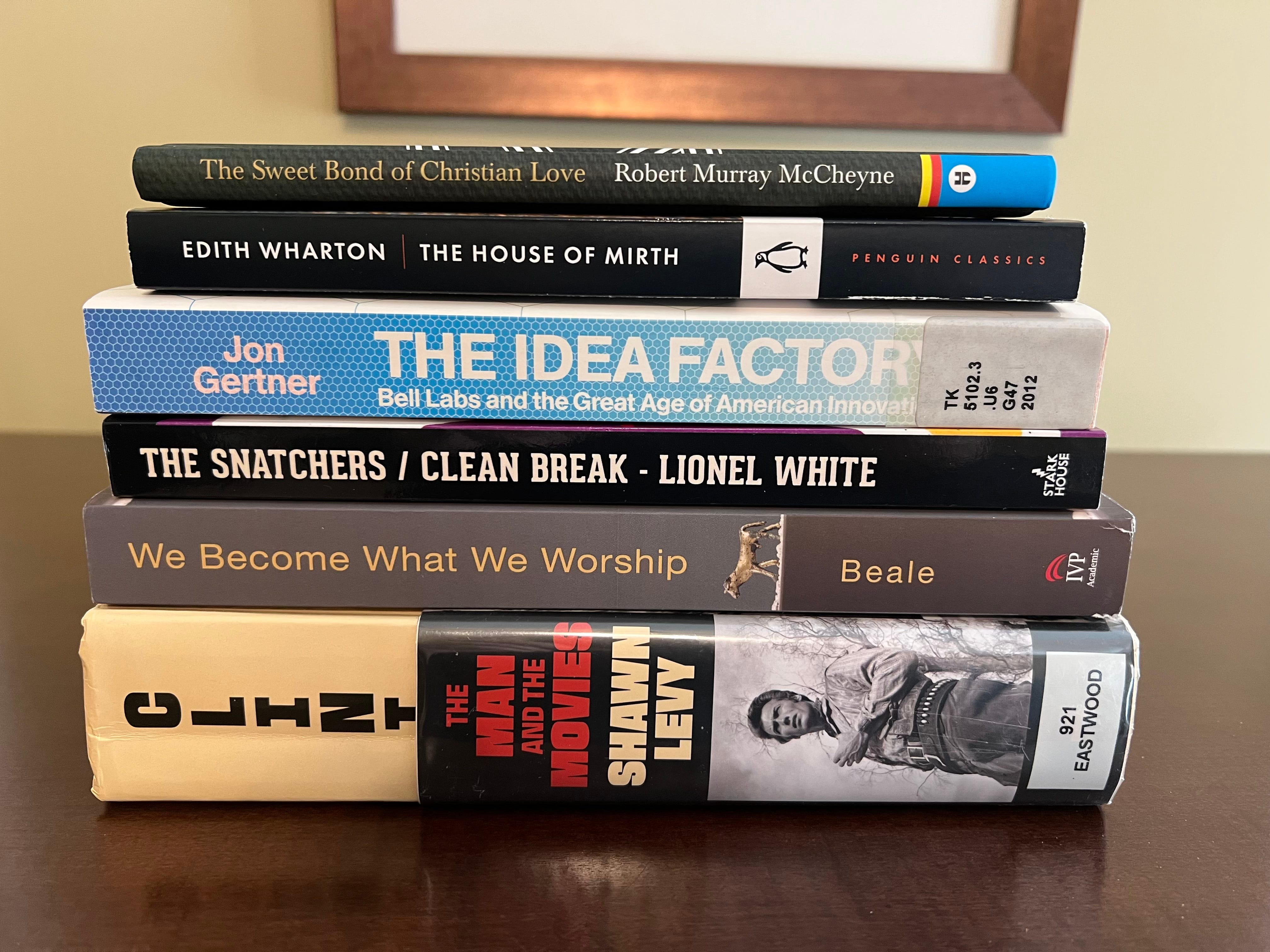
It’s a shorter stack than usual, but November offered some very good books, some of which may appear in my Best of the Year lists in the coming weeks. As usual, let me know what you enjoyed reading this month.
Not Pictured Fiction
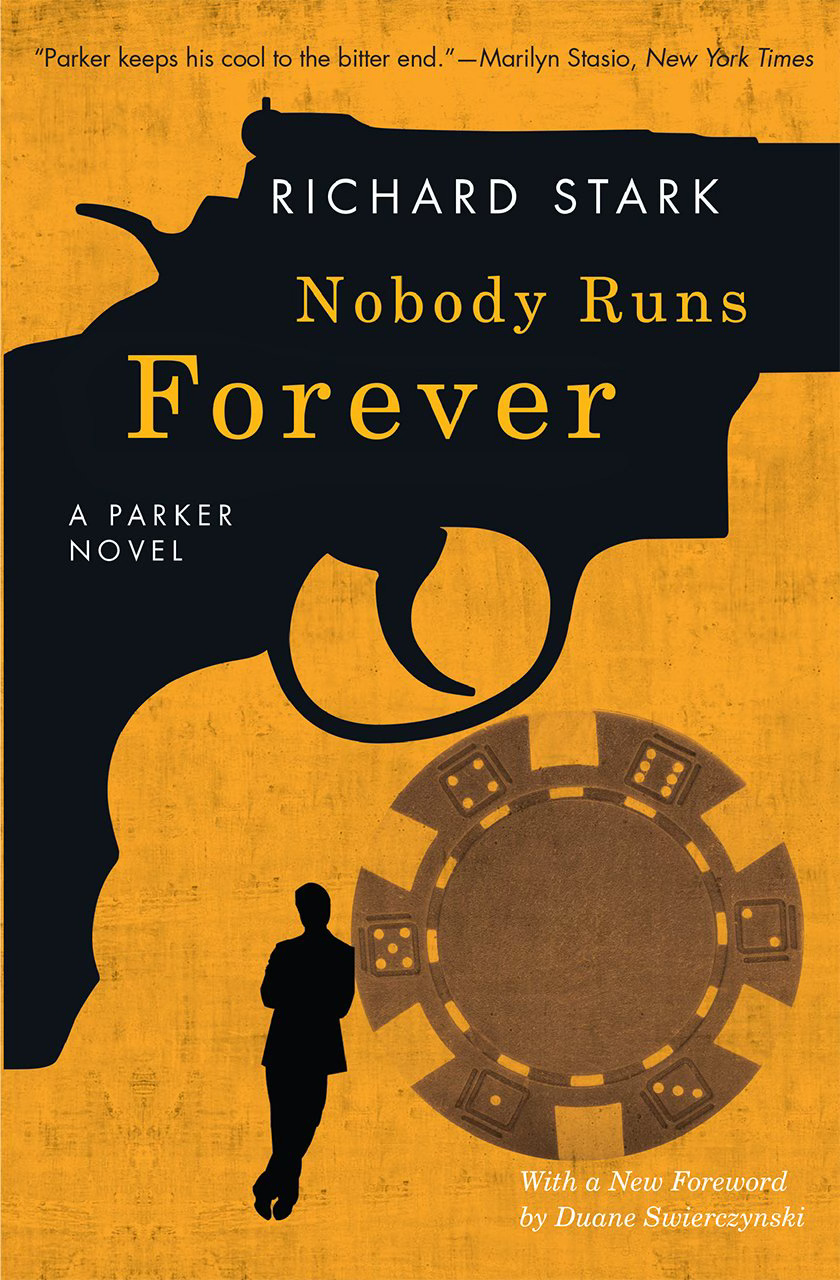
Nobody Runs Forever (Parker #22, 2004) Richard Stark
I’m closing in on the final Parker book, and Nobody Runs Forever begins the unofficial trilogy that ends the stoic criminal’s literary career. It starts with Parker playing a few hands of poker with his pals when he notices something funny with one of the men. Parker stands up from the table, goes to the man, and strangles him to death. And soon we’re off on another heist that ends with Parker going… Well, you’ll have to read it for yourself. I wrote more on this book and two Lionel White crime novels (mentioned below) in a recent post called “Why You Shouldn’t Try a Heist on Black Friday (or Anytime).”
Pictured Fiction
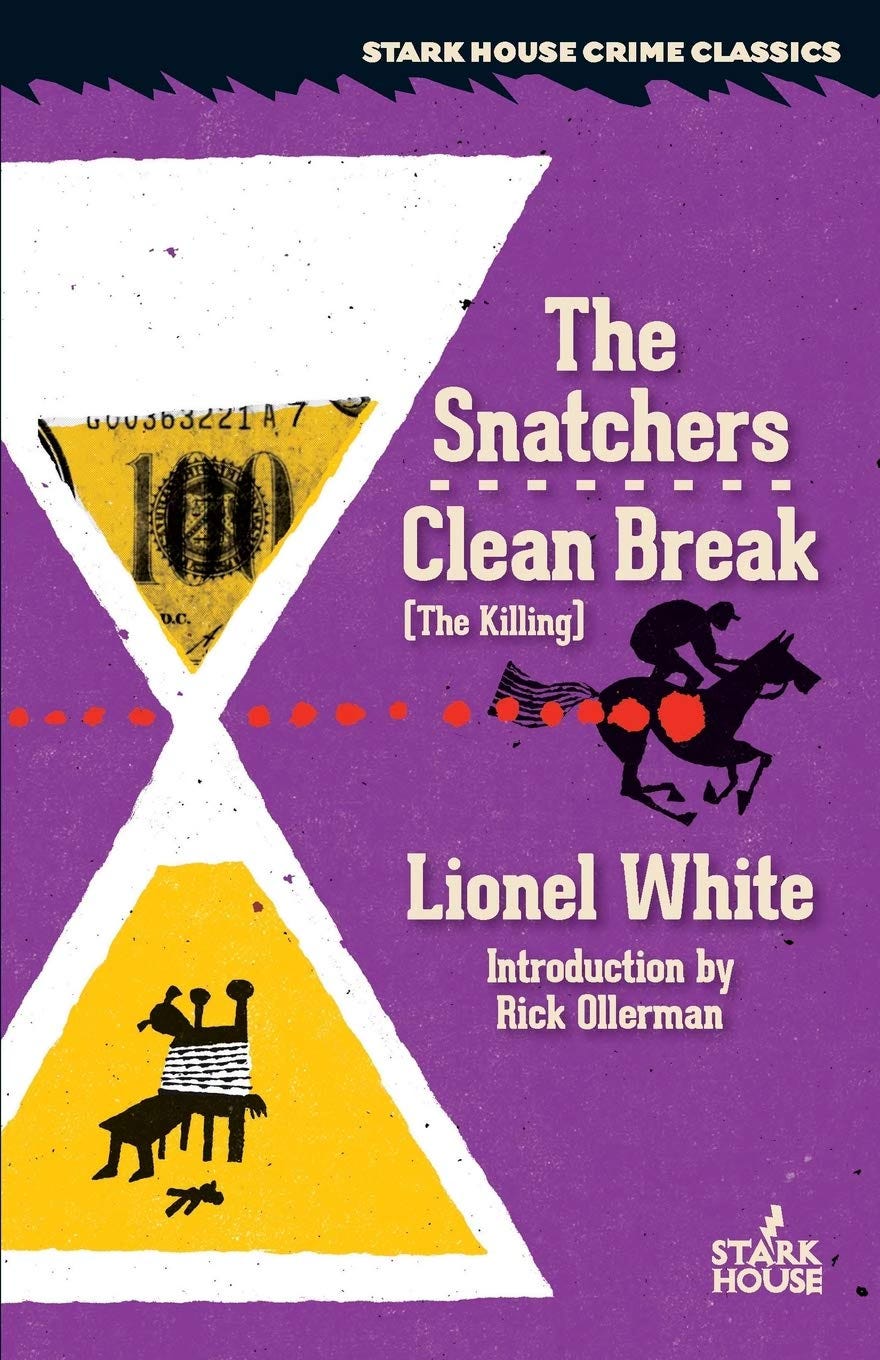
The Snatchers (1953) and Clean Break (1955) Lionel White
If you aren’t reading the fantastic crime books coming from Stark House Press, you’re missing out on something almost as good as a successful heist. As mentioned above, I discuss both of these novels (and their film adaptations) in this recent post.
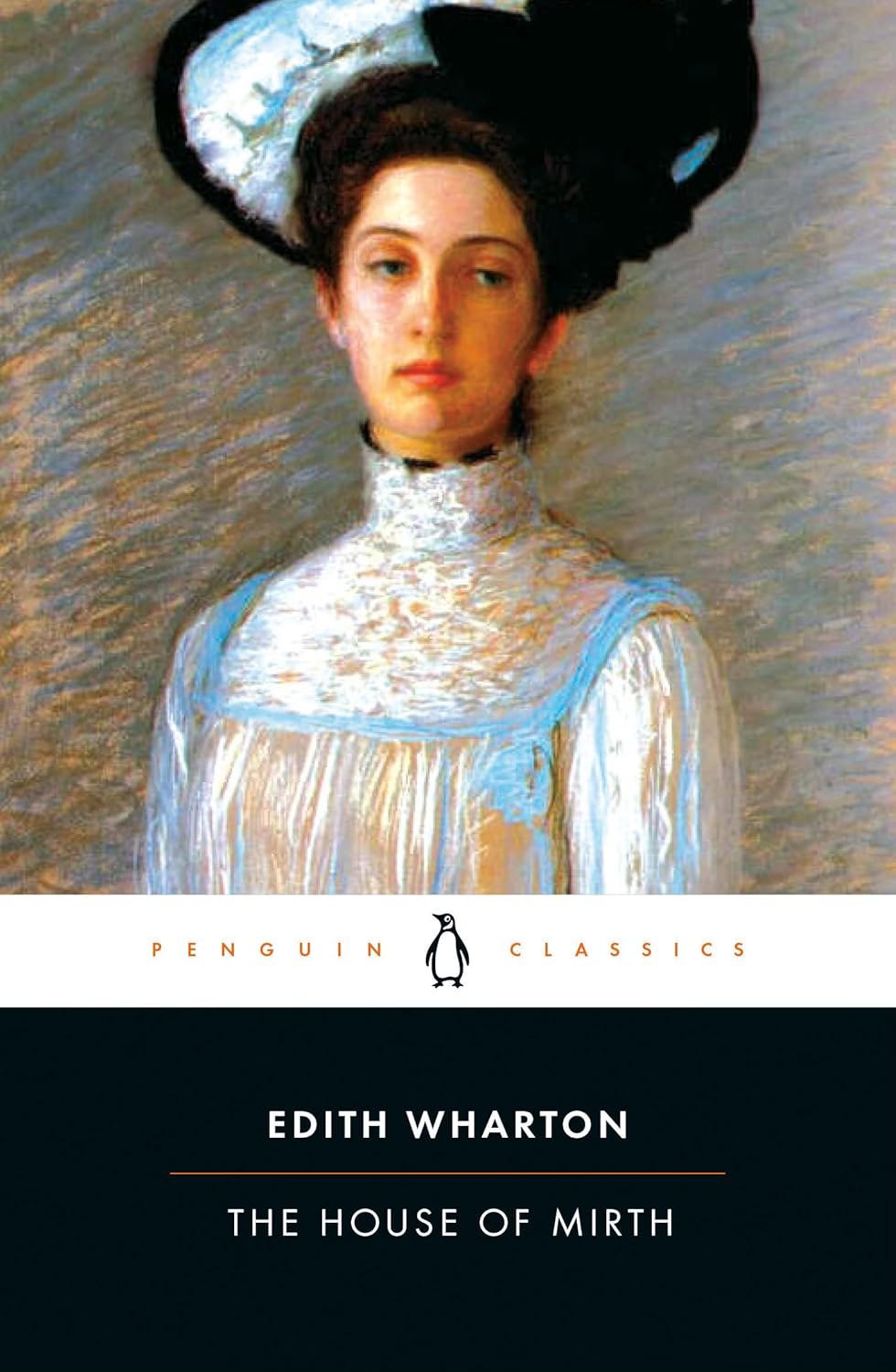
The House of Mirth (1905) Edith Wharton
Crime fiction and Edith Wharton… Believe it or not, these novels aren’t as far apart as you might think. The crimes are different here; no heists, but The House of Mirth includes gambling and gambling debt, adultery, lying, betrayal, and more. The back cover of my edition (Penguin Classics) reads: “A black comedy of manners about vast wealth and a woman who can define herself only through the perceptions of others.” If this is a black comedy, it’s the blackest of the black. I read the novel (along with Whaton’s The Age of Innocence, mentioned last month) as part of The Catherine Project, a series of discussions I highly recommend. Opinions varied greatly on the book, especially regarding character motivations and decisions, but isn’t that one of the reasons we read and discuss books? Also, if anyone has a good screen adaptation of The House of Mirth to recommend, I’m wide open to it.
Pictured Nonfiction
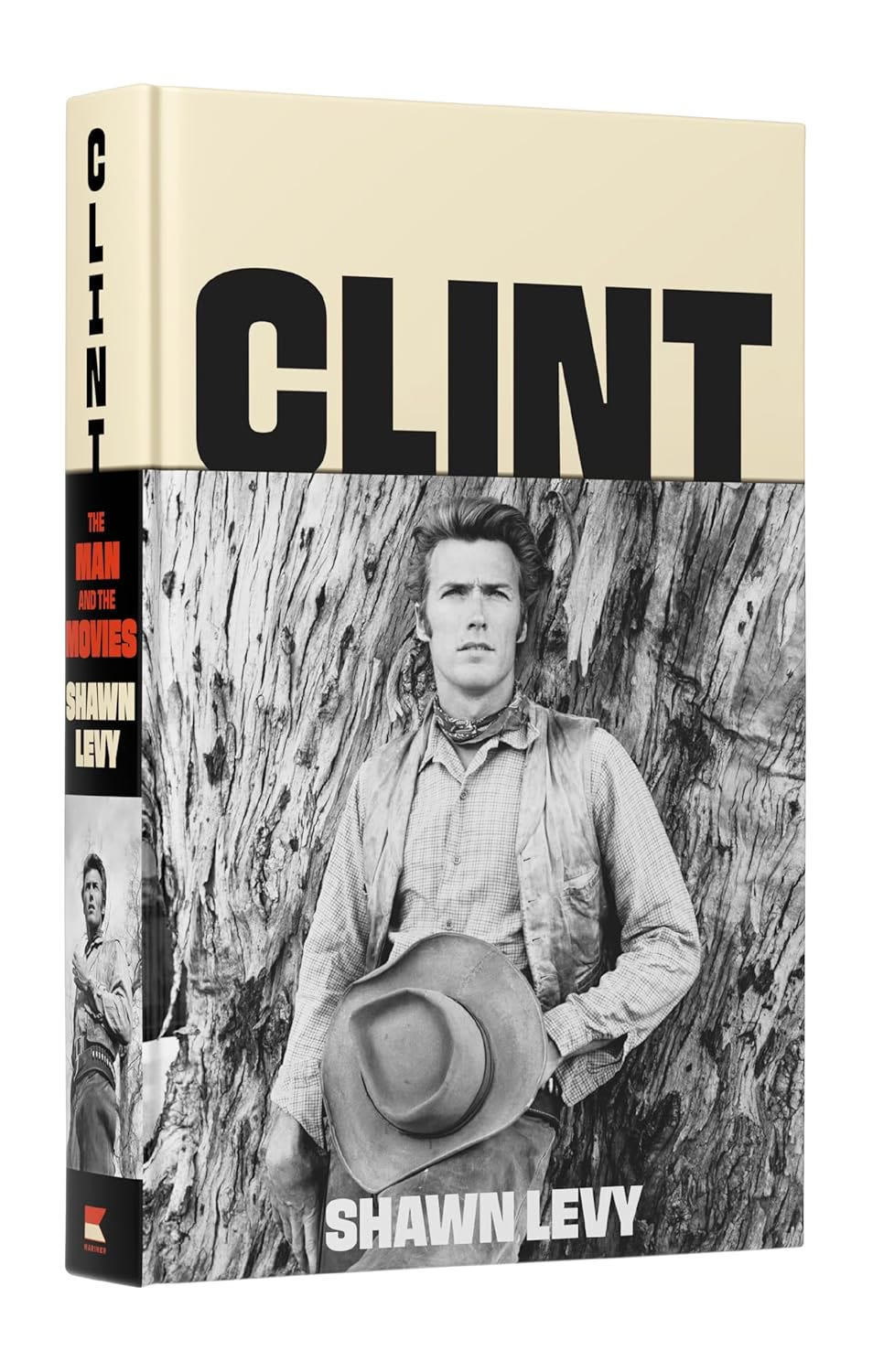
Clint: The Man and the Movies (2025) Shawn Levy
It’s staggering to realize that some of my first movie experiences included Clint Eastwood, but also to realize that I’m in my 60s and he’s still making movies. The man has appeared in at least 60 films and directed 40. Try and cover all that, and you’re gonna have a massive book (560 pages). That enormous body of work leaves little time for film analysis and criticism, but Clint isn’t really about that. In the book’s introduction, Levy states that two major biographies of Eastwood have already been written: Richard Schickel’s gushing-with-praise Clint Eastwood: A Biography (1997) and Patrick McGilligan’s scathing warts-and-all Clint: The Life and Legend (2002). Levy’s book is somewhere in the middle, focusing on the films as well as Eastwood’s personal life, which includes many negative (if not deplorable) parts. Clint paints a portrait of a no-nonsense actor/director/producer/musician who operates by a “as few takes as possible” policy, giving his actors little-to-no direction. (Hey, it generally works.) The scope of the book is impressive, yet the book is less impressive due to Levy’s personal opinions sometimes becoming too prevalent, but it’s a small price to pay for what is generally a good biography.
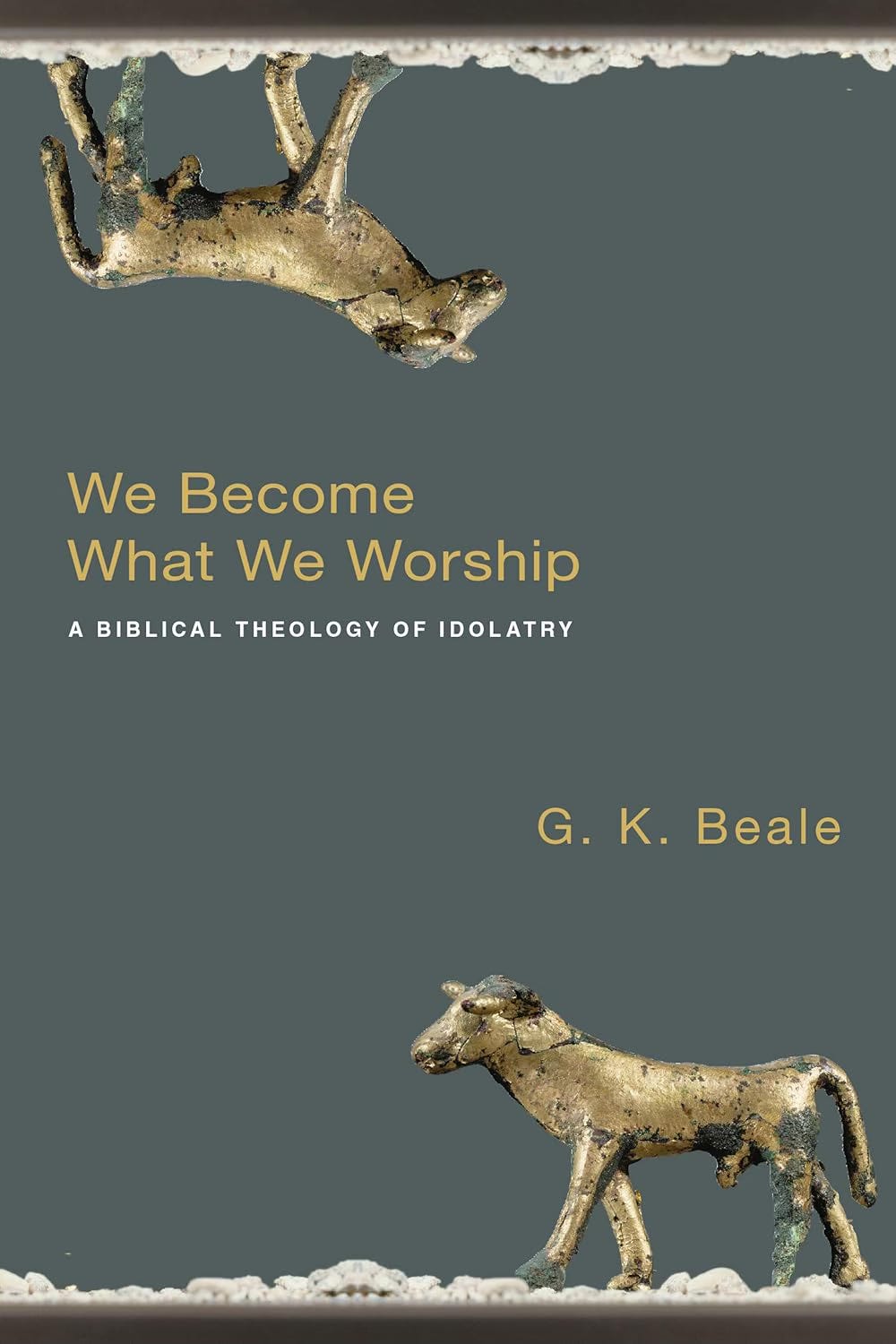
We Become What We Worship: A Biblical Theology of Idolatry (2008) G.K. Beale
Although I’ve read sections in some of Beale’s other works, this is my first venture into an entire book. I don’t think I’ve ever read another author that’s so thorough in his research and writing. Beale has painstakingly and biblically thought through the topic of idolatry, but first he’s careful to point out that the book’s title is misleading: It’s not that we become what we worship, but we become like what we worship. There’s a big difference. Beale has in mind the golden calf of Exodus 32, but also points out other examples in the Old Testament, the origin of idolatry in the OT, and examples that carry over into the New Testament. It’s scholarly, but also contains some practical applications in the final chapter. We Become What We Worship contains significant repetition, but in a book this thorough, I suppose there’s no avoiding that.
The Sweet Bond of Christian Love: A Collection of Quotes from Robert Murray McCheyne (2024) Robert Murray McCheyne
I bought two copies of this book, one for me (since I hadn’t read anything by or about McCheyne in decades) and one to give as a gift. This short volume manages to do a lot, but then again, McCheyne accomplished a lot in a short life of only 29 years.1 The book consists of a short biography, a series of quotes, a sermon, and McCheyne’s Bible reading plan, which is still used by many.
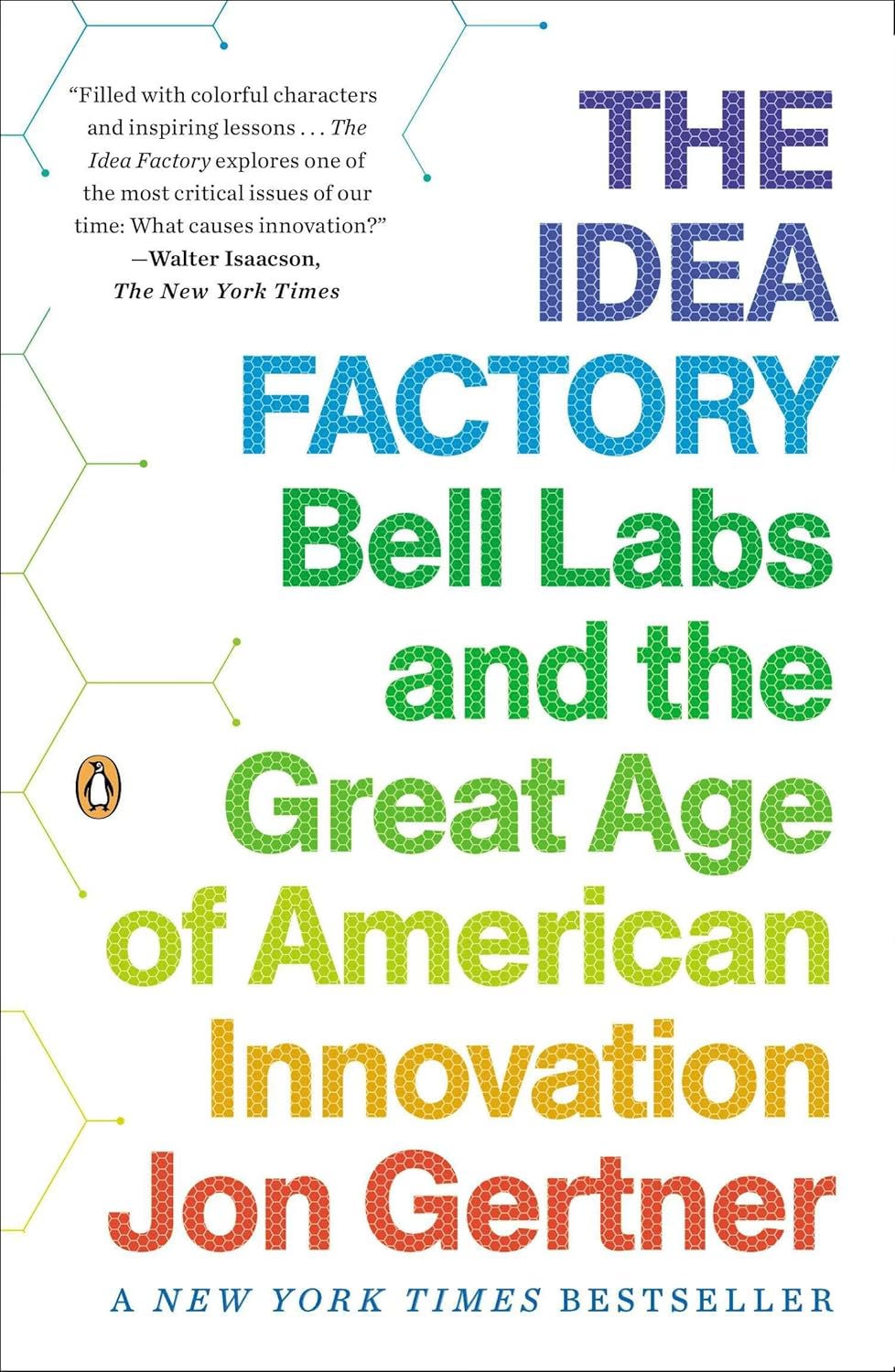
The Idea Factory: Bell Labs and the Great Age of American Innovation (2012) Jon Gertner
Name one institution that’s been responsible for the creation of the world’s most essential technologies. Nope, it’s not Apple, Microsoft, or Google. It’s Bell Labs. If you’re ROFL, you need to straighten up and read The Idea Factory. From its beginnings to its downfall in the 1980s, Bell Labs was responsible for many of the technologies we enjoy (or curse) today. Sure, everybody’s heard of Steve Jobs and Bill Gates, but what about Mervin Kelly, Bill Shockley, Claude Shannon, John Pierce, and Bill Baker? You should know these guys and what they did. Their stories are fascinating, but even more stunning is how one company was allowed by the government to run and maintain a monopoly for decades. Was that decision justified? I’ll let you read it and come to your own conclusion. Many thanks to my friend Matt R. for recommending this book.
That’s going to do it for November. You know the drill: Let me know what you read in November. I’ll have more for you soon once I finish off some of this turkey… and take a nap…
Although he died in 1843, McCheyne’s biography, Memoir & Remains of Robert Murray M‘Cheyne, written by McCheyne’s friend Andrew Bonar and published in 1844, went through 116 English editions in its first 25 years. It remains a bestseller in the category of Christian biography.
In the past two months I read one book by a Nobel Prize winning author and started one by another Nobel winner, both of which I found frustrating. I thought I'd be able to share my frustrations with both of them by now, but alas, the second one is so frustrating that rather than use my precious weekend morning reading time on it, I'm getting through it in 6-10 page increments before I go to bed. My goal for your December post is to have finished that book, plus the "fun" book I'm reading on weekends in its place, AND the play in Russian that I've been working my way through for, literally, years. Stay tuned!
The book I did finish was Tokarczuk's Flights. Here's my beef: Is it just me, or is there a recent trend of calling something a novel when it's really a collection of loosely related stories and musings? Because I feel like I've encountered this with a number of recent works. I'm all for playing around with the standard novel structures and conventions. And I tend to read more for theme, ideas, and writing style, followed by characters and plot. But ultimately I do need characters who stick around for the whole book, and some sort of through line of plot on which to hang the ideas. Is that too much to ask? Anyway! This is all to say that Flights is made up of a narrator's musings about and experiences with travel and also her fascination with studies of human anatomy, alongside stories with themes of travel, or fleeing, and/or human anatomy/ mortality. The musings are anywhere from a paragraph to a couple pages. The stories are longer, well written, and gripping (I was always sorry when a story ended, so there's that). The thing is, there didn't seem to be any sort of progression, and I stopped paying attention to the musings (which I'd say make up over half the book) because there were so many of them coming at me and I wasn't retaining them. Overall it was just too random to stick with me or to give much thought as to an overarching theme. That being said, based on the stories in this book and on Drive Your Plow, I enjoy Tokarczuk's writing and I'll definitely read more of her.
If I were to read one Edith Wharton, which would you recommend?
"We Become What We Worship" sounds like a warning for our current era, or at least it should be!
I certainly want to read Richard Stark and Lionel White!